Mixed materials
Aluminum Body Repair
Aluminum-capable repair planning for modern cars, trucks and SUVs, kept deliberately separate from the steel work beside it.
Chapter 01
Why aluminum changes the repair
Aluminum does not behave like steel. It works differently, it responds differently to heat, and it brings corrosion considerations that steel does not, particularly where the two meet.
So the repair keeps the methods and materials separated on purpose. That separation is the substance of aluminum-capable work, and it is decided at planning rather than improvised at the bench.
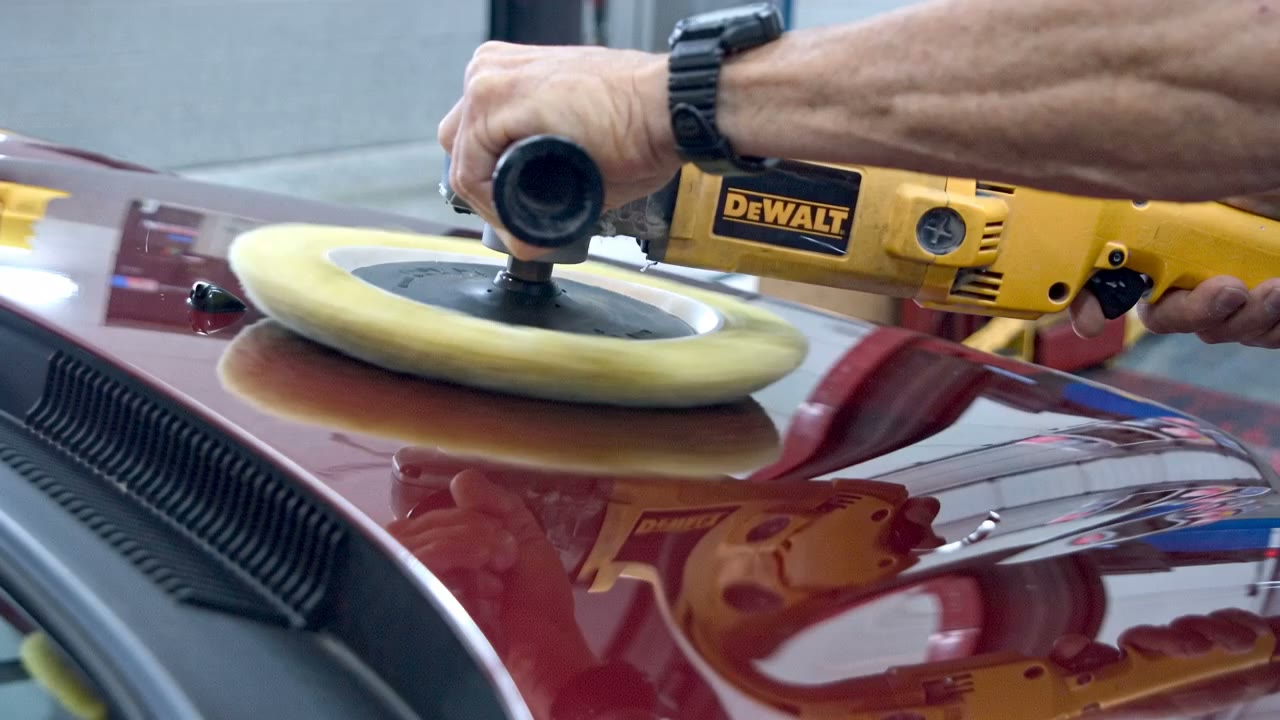
Finished panel work under shop lighting at Community Collision Center
Mixed-material vehicles are the normal case now
This is no longer a specialist edge case. Ford, GMC, Ram and other modern platforms combine aluminum panels with steel structure on ordinary trucks and SUVs, which means an everyday vehicle can arrive needing both approaches in one repair.
Knowing which panel on which platform is which is part of the repair plan, not something to establish once the vehicle is already apart.
Chapter 03
Repair or replace, decided on the material
Whether an aluminum panel is repaired or replaced is an OEM-focused decision, made on what the manufacturer specifies for that material and that part rather than on what would be quickest.
That call is worth making properly, because the wrong one on a structural aluminum component is not a cosmetic compromise.
Fitment, finish and the long run
Quality control on aluminum work covers fitment, finish and long-term durability. The durability part is the reason the corrosion planning earlier in the job matters at all.
A mixed-material repair that looks right on delivery and corrodes at the join two years later was not a successful repair, it was a delayed one.
Aluminum work is covered by the same backing as the rest of our repairs, for as long as you own the vehicle.