When the paint is broken
Auto Dent Repair
Conventional dent work for minor and moderate body damage, shaped and refinished until the panel reads continuous again.
Chapter 01
Assessing minor and moderate body damage
The assessment comes before the method. We look at how deep the dent is, whether the metal has stretched, and above all whether the finish over it is still intact, because that is what decides which of the two repair paths applies.
Where the original finish can be preserved we will recommend paintless dent repair instead. Where paint, body filler, sanding and refinishing are genuinely needed, this is the repair that does it properly.
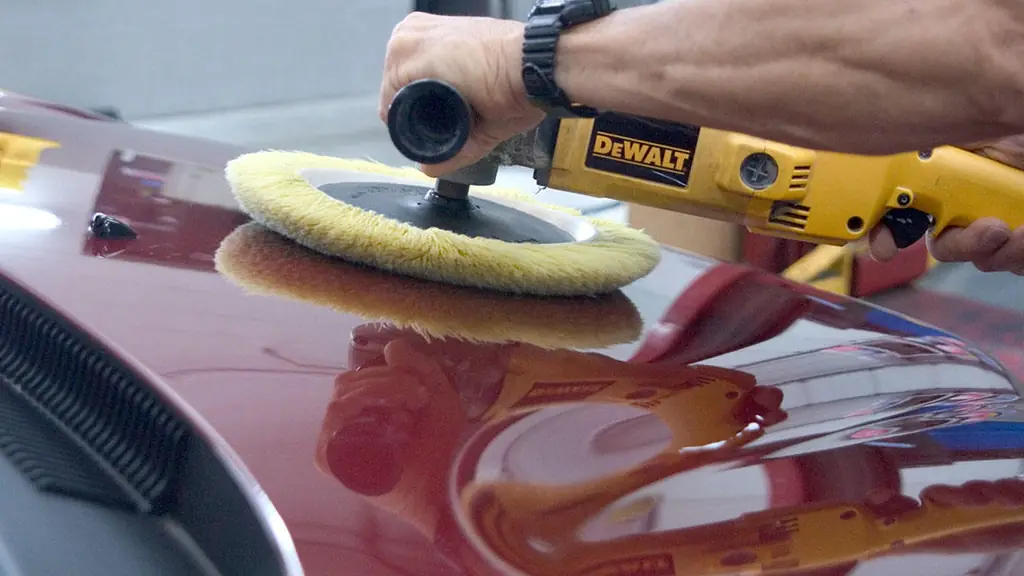
A repaired panel being finished with a rotary polisher in the shop
Filler, sanding and refinishing done properly
Conventional dent repair means bringing the metal back, then paint, body filler, sanding and refinishing to restore the surface over it. Each of those steps is a place a repair can be rushed, and each one shows later if it is.
Filler is a shaping material, not a substitute for getting the metal close first. Used that way it lasts. Used as a shortcut it telegraphs through the finish within a season or two.
Chapter 03
Shaping the panel so the light runs straight
The measure of a finished dent repair is clean panel shaping and refinish work that restores a consistent exterior appearance, and the simplest way to check it is to watch a reflection travel across the panel.
If the highlight runs straight and unbroken past where the damage was, the shape is right. If it wobbles, the surface is not flat yet, no matter how good the colour match is.
Dent and refinish work is backed by the shop for as long as you own the vehicle.